
Aspira Consulting helps institutions strengthen the bridge between education and economic opportunity for first-generation, multilingual, nontraditional, and adult learners.
Our work begins with a simple belief: learners already carry value. The opportunity is to help institutions make that value easier to recognize, translate, and activate.
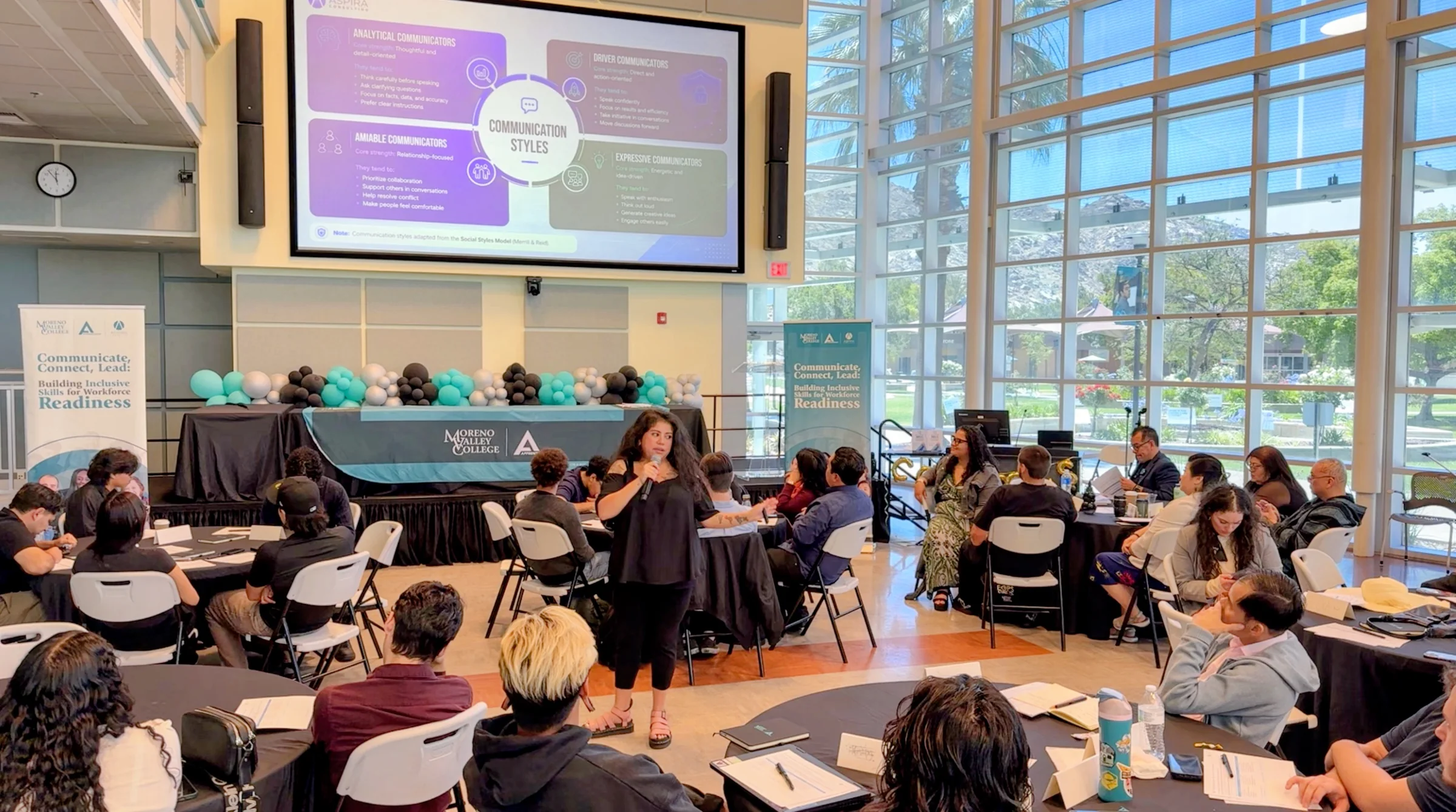
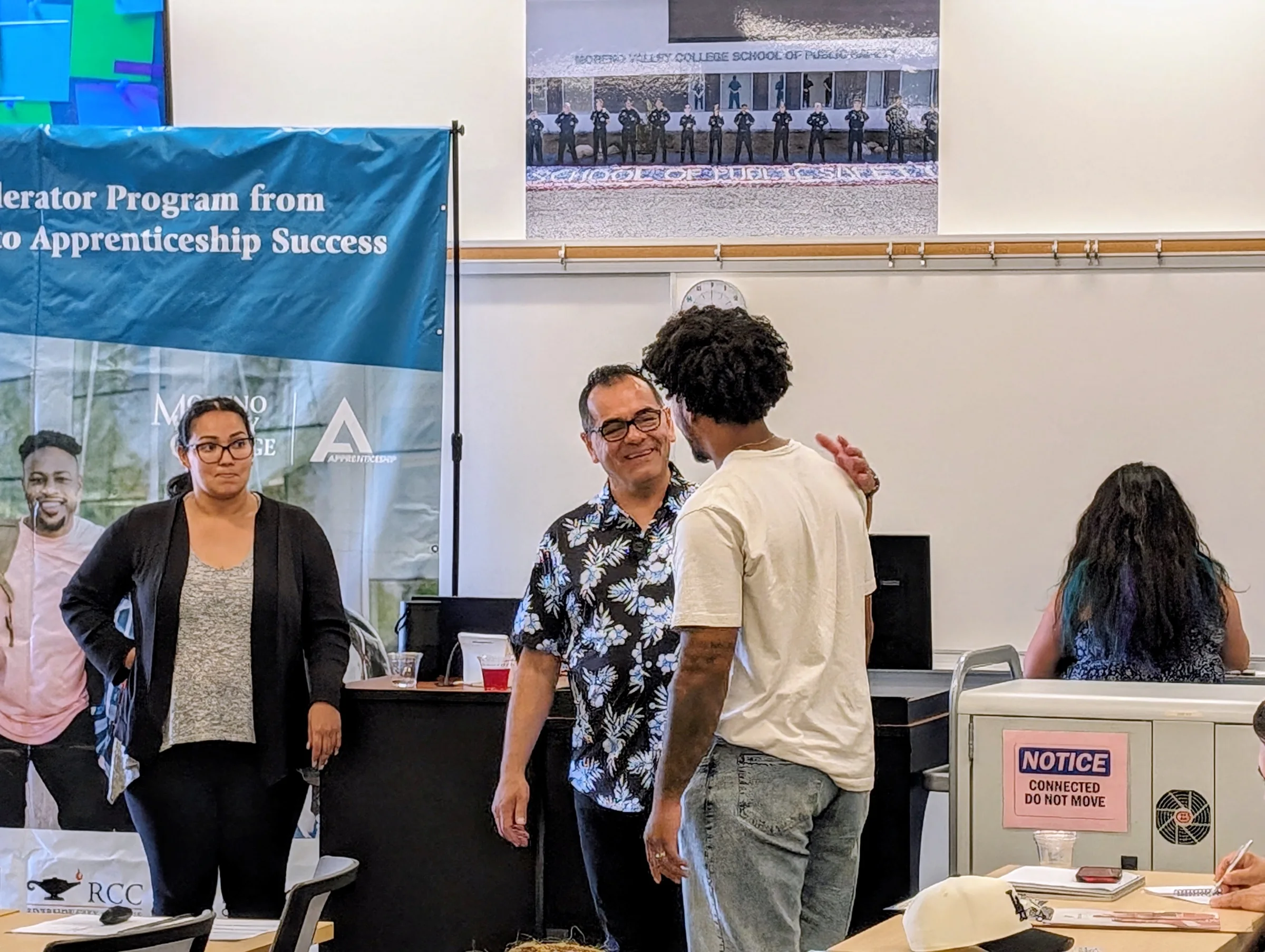
As first-generation college student and later as a first-generation professional – and as his family’s translator from an early age – Oscar Garcia learned to navigate institutions, languages, cultures, and expectations that did not always align.
Over time, he recognized that experiences often treated as barriers — English as a second language, low income, cultural, family responsibilities, and low income — could also become professional assets.
That insight became foundational to Aspira: people often carry more capability than traditional systems know how to recognize, translate, or connect to opportunity.
Oscar Garcia · Founder & Chief Empowerment Officer
Understanding how people navigate identity, education, work, language, culture, and opportunity.
Understanding how learners turn capability into meaningful movement toward opportunity.
Helping institutions make career mobility more intentional, consistent, measurable, and repeatable.
Education, work history, language, culture, relationships, family responsibilities, and lived experience can contain capabilities relevant to future opportunity.
Enrollment and credentials matter, but learners also need ways to connect what they know and can do to meaningful economic opportunity.
Strong learner support becomes more powerful when institutions can reinforce it consistently, measure movement, and sustain it beyond one program or individual champion.
Aspira brings together lived experience-based strategy, bilingual career mobility, facilitation, implementation support, evidence discipline, and technology-enabled tools to help institutions strengthen how learners move toward economic opportunity.
Our approach is designed to be practical to implement, measurable over time, and adaptable to institutional context without rebuilding the work for every engagement.
Diagnose career mobility friction, clarify institutional priorities, and identify the most credible place to start.
Design career mobility experiences around the language, culture, work history, and lived experience learners already carry.
Move beyond one-time activity by strengthening the practices, tools, and reinforcement that help career mobility become more consistent.
Build evidence around learner development, career assets, action, follow-up movement, and the next institutional decision.
Use digital and AI-enabled supports to extend access, practice, evidence, and efficiency without replacing human judgment, trust, or cultural context.
Our work with educational institutions, professional audiences, and international communities brings a broader perspective on workforce change, AI, entrepreneurship, culture, language, and economic opportunity — insights we bring back into our institutional work.
Our roots and a major institutional evidence base.
Professional audiences, selected partnerships, and institutional relevance.
Cross-cultural perspective informed by international work across diverse professional, educational, and economic contexts.
If your institution is exploring how to strengthen career mobility for the learners you serve, let’s start with a conversation about where movement is working — and where it may need strengthening.