
Aspira helps California adult education consortia strengthen the bridge from learning and training to college, employment, advancement, entrepreneurship, and economic opportunity — especially for multilingual, first-generation, nontraditional, and adult learners.
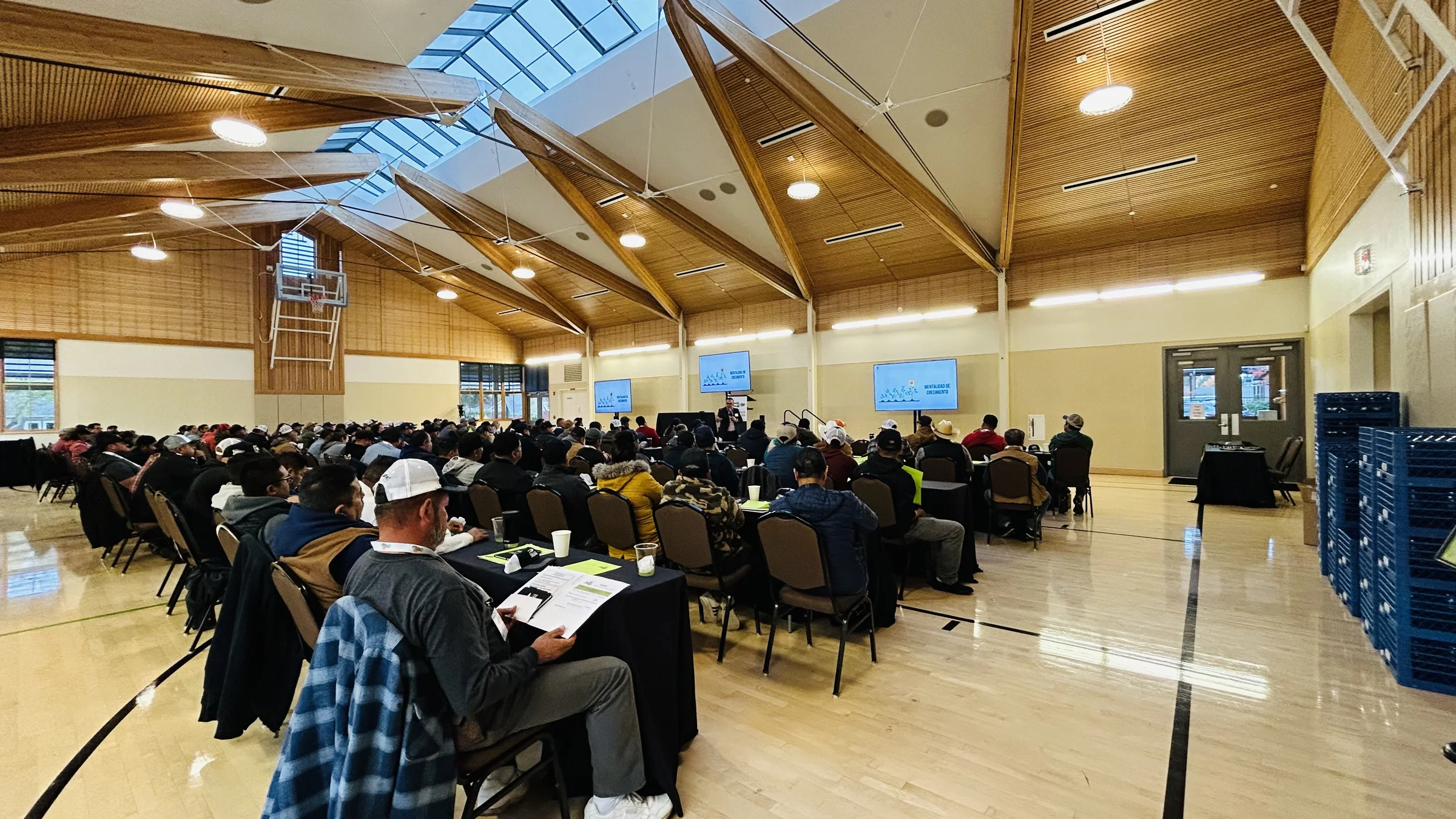
Adult learners may bring work history, multilingual ability, family responsibilities, technical preparation, resilience, and community knowledge — yet still need support turning those assets into professional identity, employer-facing value, relationships, and career action.
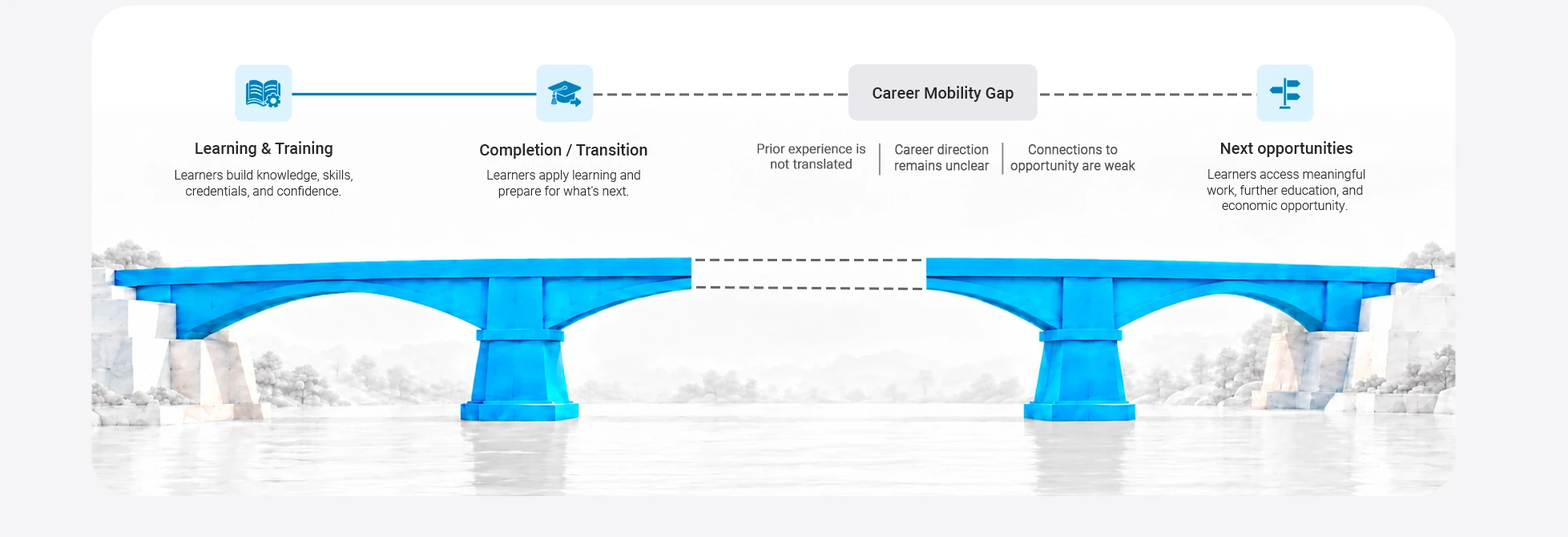
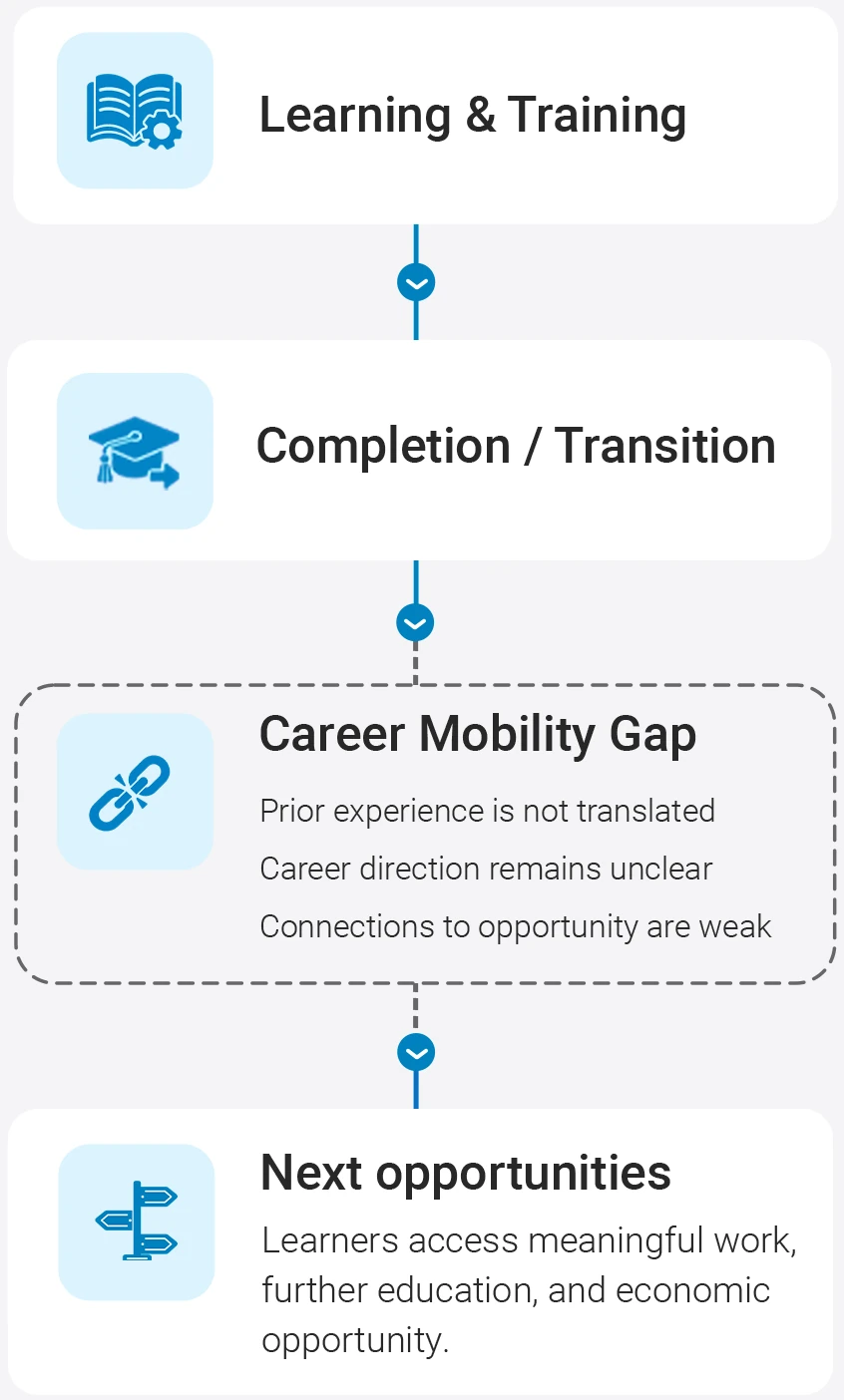
Language strengths, prior work, and lived experience may not yet be visible or translated into employer-facing professional value.
Technical preparation may not automatically translate into career visibility, employer-facing communication, workplace navigation, or career action.
Learners may complete adult education without a clear connection between career direction, college navigation, and the next educational step.
Professional identity, relationships, and career assets may not yet convert into confident action toward employment, advancement, or entrepreneurship.
For Learners
For Institutions
Selected evidence from Aspira’s Fall 2025–Spring 2026 work with the Salinas Valley Adult Education Consortium and Hartnell College.
Aspira’s Fall 2025–Spring 2026 Salinas Valley implementation used the Empowering Scholars Program™ as a foundational learner experience within a broader bilingual career mobility effort.
Unique learners
English & Spanish cohorts
Planned cohort capacity utilized
Pre/post self-assessments showed measurable learner-reported gains in career mobility competencies, and learners produced reusable career assets including professional narratives, elevator pitches, networking language, and reflection tools.
Evidence integrity: Current measures support participation, utilization, self-reported competency growth, learner-created career assets, and early workforce activation. They do not establish verified employment or wage outcomes.
Programs and pathways are one way Aspira can respond when a focused learner-facing intervention fits the diagnosed need.
Explore Programs & Pathways →Whether the challenge is transition, translation, career visibility, pathway connection, staff capacity, or evidence, the first step is understanding what already exists and where support may need strengthening.